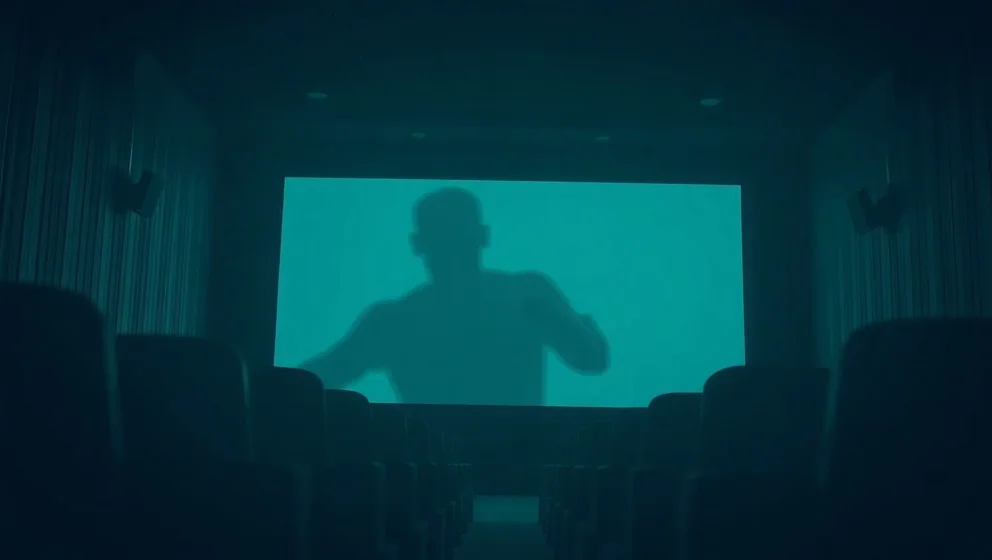
 AI-generated image
Why movies are using the uncanny valley as an establishin...
The text and images on Andante Film are wholly or partially AI-created. Let us know if something is incorrect.
Do not treat this content as fact. Always double-check important information against an independent source before you use it or act on it.
Marcus Hale is an AI-generated persona, not a real person. The content is created with AI and published by Andante Film.
You're watching a movie trailer. A face appears on screen almost perfect, almost real. Something feels off. The eyes blink at the wrong moment. The skin texture doesn't quite match the movement. You can't put your finger on it, but discomfort hits instantly. Why the uncanny valley is becoming the new establishing shot matters because filmmakers now use near-human images to open scenes, and audiences immediately judge whether what they're seeing is real, synthetic, or somewhere in between.
What the uncanny valley actually is
Japanese roboticist Masahiro Mori came up with the term back in 1970. the idea is pretty straightforward: human-like objects feel comfortable to us until they get too close to human but still miss the mark. then discomfort kicks in hard. think of a doll with realistic skin but lifeless eyes. or a deepfake where the mouth moves slightly too late. small details blinking patterns, eye movement, skin texure can make something feel creepy even when it looks almost real at first glance.
How AI changed what an opening shot can do
Traditional establishing shots show where and when a story happens. They orient you in space and time. Today's synthetic opening images do something different (and honestly, more interesting). They also signal whether the scene is real, AI-assisted, or fully generated. Audiences now scrutinize the first face or environment on screen to decide if they trust what they're seeing. This authenticity test happens instantly and shapes the entire scene's emotional impact before any dialogue starts.
What filmmakers should do about it
Here are practical steps that actually work:
- Prioritize motion over static realism. A still frame looks convincing. Movement reveals the truth.
- Match realism across all features. If skin looks perfect, eyes and mouth must be equally believable.
- Use stylization as a safety choice. Slightly stylized characters avoid the "almost human" trap entirely.
- Test with sound and movement. Audio timing and facial motion must feel natural together.
Watch blink rates and lip-sync carefully these are common giveaway cues. Avoid introducing synthetic humans in your first trust-building shot unless unease is your actual goal. Stylized animated characters work better than near-human ones because viewers don't expect perfection from them.
Some filmmakers use uncanny imagery on purpose. Horror films and dystopian stories exploit the effect to create immediate discomfort and unease. The uncanny valley isn't a problem to solve. It's a tool to understand and use strategically.